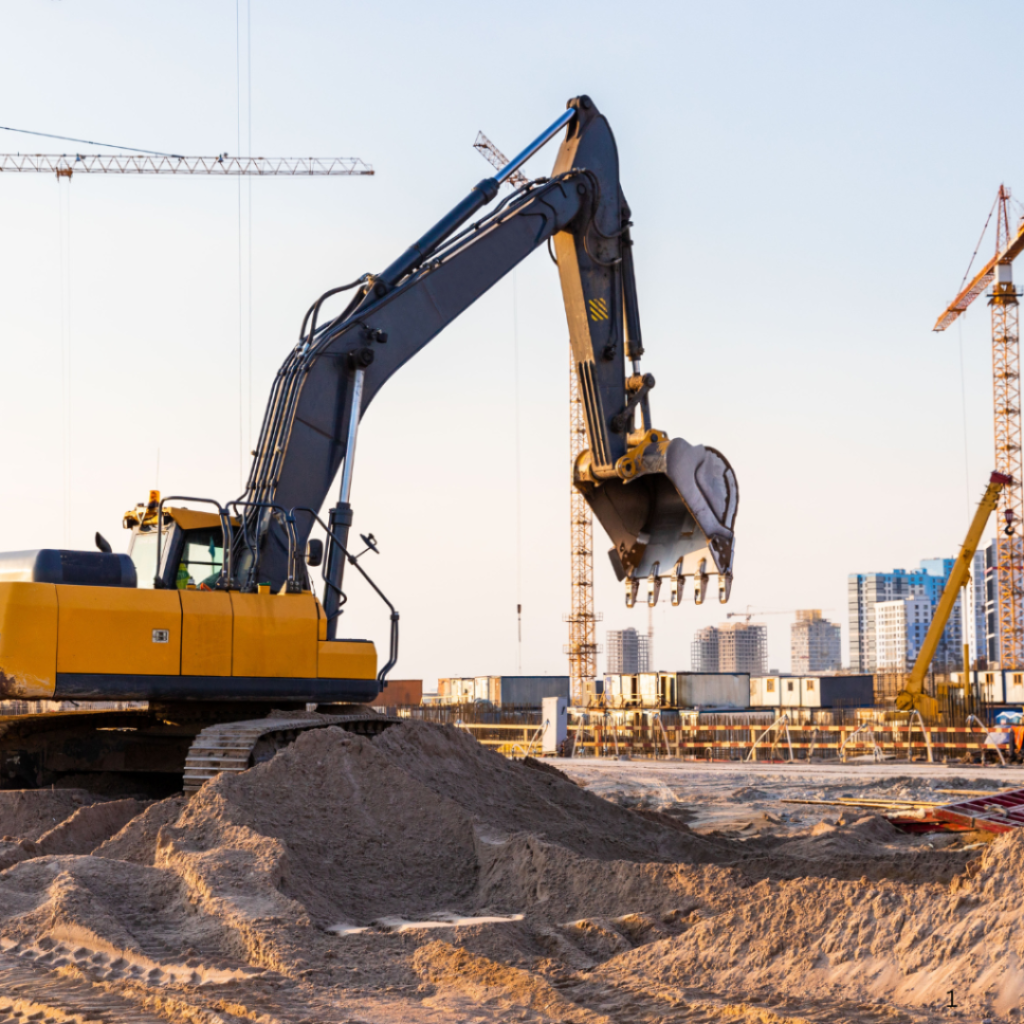
Professional Excavation Services in The Woodlands, TX
Wikota Excavation provides specialized excavation services throughout The Woodlands, Texas, including all villages from Grogan’s Mill to Creekside Park, with expertise in The Woodlands Township’s unique development standards, tree preservation requirements, and environmental covenants. We understand The Woodlands’ emphasis on protecting its forest environment and work within the township’s strict guidelines for excavation. Our services include site preparation, foundation excavation, utility trenching, and land clearing with required tree protection. Residential projects typically range from $2,000-$6,500, reflecting the precision work required in The Woodlands’ heavily wooded environment. Quotes provided within 24-48 hours of site assessment.
The Woodlands Excavation Services at a Glance
Service Area:
All Woodlands villages including Grogan’s Mill, Panther Creek, Cochran’s Crossing, Indian Springs, Alden Bridge, Sterling Ridge, Creekside Park, plus adjacent areas in Magnolia and south toward Tomball
Jurisdiction:
Montgomery County, The Woodlands Township
Response Time:
Free quotes within 24-48 hours | Site visits typically within 3-5 business days
Project Timeline:
Residential excavation: 2-7 days | Commercial projects: 2-6 weeks | Approval process adds 3-6 weeks
Pricing Range:
Residential projects: $2,000-$6,500 | Commercial projects: $8,000-$60,000+ | Premium due to tree protection and township requirements
Work Hours:
Monday-Friday 7:00 AM – 6:00 PM | Limited Saturday work | Sunday work typically prohibited
Unique Requirements:
Tree protection plans, arborist coordination, Development Standards Committee approval, environmental compliance for waterfront properties
Why The Woodlands Excavation Requires Specialized Expertise
The Woodlands isn’t just another Houston suburb – it’s one of America’s premier master-planned communities with development standards that fundamentally change how excavation work happens. Understanding these unique requirements separates contractors who can work successfully in The Woodlands from those who cannot.
The Woodlands Township governance creates a regulatory environment unlike anywhere else in the Houston area. The township maintains its own Residential Design Guidelines that govern all construction activity. The Development Standards Committee reviews and approves all excavation plans. Environmental covenants protect the community’s forest character. Work hour restrictions limit construction to preserve residential quality of life (typically 7:00 AM – 6:00 PM weekdays, with limited weekend work). These aren’t suggestions – they’re enforceable requirements with penalties for violations. We maintain relationships with township staff and understand current guidelines, ensuring your project meets all requirements.
Tree preservation requirements dominate excavation planning in The Woodlands. The community’s founding vision emphasized preserving native forest, and this principle remains central to all development. Protected trees (typically those over certain diameter thresholds) require protection zones during excavation. Tree removal requires township approval and often mitigation through replacement plantings. Projects affecting significant trees need arborist reports. Equipment routing must avoid root damage to protected trees. These requirements mean excavation in The Woodlands takes more time and planning than typical suburban excavation, but they preserve the forest environment that defines the community.
The heavily wooded environment affects every aspect of excavation. Most Woodlands properties have mature pine, oak, and other trees that must be worked around. Equipment access is often limited by tree canopy and root systems – we can’t just drive excavators anywhere. Site lines are limited in forested areas, requiring careful planning and experienced operators. Root systems from mature trees extend far beyond tree canopies, affecting excavation depth and techniques. We use smaller equipment when necessary, plan access routes carefully, and have extensive experience with precision excavation in forested settings.
Environmental considerations extend beyond trees. The Woodlands features an extensive system of lakes, ponds, and wetlands that enhance community aesthetics but create excavation requirements. Properties near water features have setback requirements. Drainage from excavation sites must not impact water quality. Some properties have deed restrictions related to environmental protection. Commercial properties may require environmental impact studies. We coordinate these environmental requirements as part of our excavation planning.
Soil conditions in The Woodlands differ from coastal Houston. The area sits at higher elevation with different soil composition – less of the heavy clay that dominates eastern Houston, more sandy loam and mixed soil. This generally provides better drainage but still requires proper foundation excavation techniques. The extensive tree root systems in the soil create additional excavation considerations. We adapt our approach based on specific site conditions, which we assess during initial site visits.
Property values and expectations in The Woodlands create additional care requirements. Homes in The Woodlands typically represent significant investments, and homeowners expect contractor professionalism matching their property values. Site cleanliness, neighbor consideration, and communication standards are higher. Protecting existing landscaping matters greatly – mature landscaping in The Woodlands often represents decades of growth and substantial investment. We approach every Woodlands project with appropriate care and professionalism.
The mixed residential-commercial environment creates unique dynamics. The Woodlands features integrated commercial areas (Market Street, Hughes Landing, The Woodlands Mall area) within the larger residential community. Commercial excavation must adhere to even stricter standards to protect the shopping and office experience. Loading and working during business hours requires coordination to minimize disruption. We have experience with both residential and commercial excavation in The Woodlands’ integrated environment.
Where exactly does Wikota Excavation work in The Woodlands?
The Woodlands’ village structure creates distinct neighborhoods, each with its own character and often specific considerations for excavation work.
Grogan’s Mill, the original Woodlands village established in the 1970s, features mature forests and established homes. Excavation work here often involves renovation projects, additions, pools, and drainage improvements for homes built 40+ years ago. The mature tree canopy is extensive, requiring careful planning for equipment access. Properties here sometimes have older utility infrastructure requiring precision excavation. We’ve completed numerous projects in Grogan’s Mill and understand working in this established, heavily wooded environment.
Panther Creek and Cochran’s Crossing represent second-generation Woodlands development from the 1980s-1990s. These villages balance mature landscaping with ongoing renovation and rebuilding activity. Tear-down and rebuild projects are common, requiring complete site excavation while protecting neighboring properties’ trees and infrastructure. Pool additions are frequent as homeowners update properties. The villages’ location near The Woodlands Town Center creates some commercial excavation opportunities. We regularly work in both villages on diverse projects.
Indian Springs and Alden Bridge developed primarily in the 1990s-2000s, featuring newer homes on heavily wooded lots. These villages see active renovation work – kitchen/bath additions, pool installations, outdoor living space expansion. The mature but not ancient tree cover still requires protection but sometimes allows slightly more flexible equipment routing than older villages. Many properties in these villages feature lakefront or golf course locations requiring additional excavation care.
Sterling Ridge, one of The Woodlands’ newer villages, features modern homes on lots that were carefully developed to preserve significant trees. New construction and early renovation work happens here. The newer infrastructure means better utility documentation but strict adherence to recent development standards. We work with builders active in Sterling Ridge on new construction excavation.
Creekside Park represents The Woodlands’ newest development area north of The Woodlands Parkway. Active construction here includes both production homes and custom builds. The newer development means some lots have less mature tree cover but still require adherence to Woodlands tree preservation standards. Infrastructure is modern with excellent documentation. We’re active in Creekside Park as it continues developing.
Commercial areas including Market Street, Hughes Landing, The Waterway, and areas along Research Forest Drive see ongoing development and renovation requiring commercial excavation. These projects must meet even stricter standards to maintain The Woodlands’ aesthetic quality. We’ve worked on retail, office, and mixed-use excavation projects in The Woodlands’ commercial areas.
Adjacent areas we serve include Magnolia communities bordering The Woodlands to the west, newer developments north toward Conroe, and transitional areas between The Woodlands and Spring to the south. While not technically in The Woodlands, these areas often share similar characteristics and requirements.
What excavation services do you provide in The Woodlands?
Our Woodlands excavation services address the community’s unique blend of residential, commercial, and environmental requirements.
Custom home foundation excavation in The Woodlands requires special attention. Most custom homes sit on wooded lots where foundation excavation must happen around significant trees. We coordinate with arborists to identify critical root zones, establish tree protection barriers per township requirements, excavate foundations with minimal tree impact, and document tree protection throughout construction. Many Woodlands custom homes feature complex foundations (multi-level, walkout basements, pier systems) requiring precise excavation. We work with custom builders to execute foundation excavation that meets their specifications while protecting the forested environment.
Pool excavation is particularly challenging in The Woodlands’ wooded environment. Pools often must fit between mature trees, creating tight access corridors. Equipment must navigate narrow paths without damaging roots or canopy. Excavated soil removal requires careful routing. We’ve excavated pools in some of The Woodlands’ most constrained sites, using appropriate equipment and techniques to complete work without tree damage. The township’s approval process for pools includes tree protection plans we help develop.
Renovation and addition excavation serves The Woodlands’ active remodeling market. Homeowners in Grogan’s Mill, Panther Creek, and other established villages frequently expand homes, requiring excavation for additions, expanded foundations, or basement conversions. This work happens around occupied homes with mature landscaping requiring protection. We excavate with precision to avoid disrupting existing structures, protect valuable landscaping, and maintain site cleanliness appropriate for occupied properties.
Utility trenching for new connections, upgrades, or repairs requires navigating The Woodlands’ underground utility infrastructure and root systems. We coordinate with MUD districts serving different Woodlands areas, trench at proper depths while avoiding root damage, restore trenches to township standards, and handle utility connections from property lines to structures. Sprinkler system trenching, outdoor lighting, and gas line installations all require similar precision.
Drainage solutions address issues even in The Woodlands’ generally well-drained environment. Some properties experience standing water, poor drainage, or foundation moisture issues. We excavate French drains, create swales, improve grading, and install drainage systems while protecting trees and following environmental requirements. Properties near lakes or wetlands have additional drainage considerations we coordinate with township environmental staff.
Land clearing and site preparation for new construction must comply with township tree preservation requirements. We clear only approved areas, protect designated trees during clearing, remove approved trees properly, grub roots without damaging nearby protected trees, and prepare sites while maintaining environmental compliance. The clearing permit process in The Woodlands is detailed – we help navigate it.
Commercial excavation for retail, office, and mixed-use developments follows even stricter standards. The Woodlands commercial aesthetic requires maintaining natural features during construction. We’ve excavated parking areas, building pads, loading facilities, and utility corridors for commercial projects while meeting the township’s stringent commercial development standards.
Tear-down and rebuild excavation for properties being redeveloped requires removing old foundations, clearing the site, and preparing for new construction while protecting neighboring properties’ trees. This is increasingly common in older Woodlands villages where homes built in the 1970s-80s are being replaced.
How much does excavation cost in The Woodlands, and why are prices higher?
The Woodlands excavation typically costs 15-25% more than standard Houston area pricing due to unique requirements and precision work demanded by the community’s standards.
Residential project pricing: Foundation excavation: $4,000-$10,000 depending on foundation complexity and tree protection requirements | Pool excavation: $3,500-$7,500 reflecting constrained access and tree protection | Utility trenching: $10-$18 per linear foot due to hand-digging near roots | Drainage solutions: $2,000-$5,500 including environmental compliance | Land clearing: $2,500-$6,000 per acre with selective clearing and tree protection | Renovation excavation: $2,500-$6,000 depending on access and tree protection needs
Commercial excavation pricing ranges from $10,000 for small projects to $75,000+ for major site work, with detailed proposals required for accurate budgeting.
Why Woodlands costs are higher: Tree protection requirements add substantial time and planning. Installing protection barriers, working around root zones, using smaller equipment in constrained areas, and coordinating with arborists all increase costs. The approval process requires detailed plans, township reviews, and documentation that take contractor time. Work hour restrictions (7 AM – 6 PM, limited weekends) extend project timelines. Restoration standards are stricter – we must restore areas to match The Woodlands’ aesthetic expectations. Equipment access limitations force use of smaller, less efficient equipment. Environmental compliance for waterfront properties adds documentation and care requirements.
Hidden costs avoided: While upfront costs are higher, working with a Woodlands-experienced contractor prevents costly mistakes. Township violations can result in stop-work orders, fines, and required remediation. Tree damage could require expensive replacement plantings. Improper drainage affecting water features creates liability. We price appropriately for compliant work that passes township inspection the first time.
Custom home vs. production home pricing differs significantly. Custom homes on heavily wooded lots with complex foundations and extensive tree protection requirements cost more to excavate than production homes in newer areas with less tree coverage. We provide detailed quotes reflecting your specific site’s characteristics.
Village location factors affect pricing. Older villages (Grogan’s Mill, Panther Creek) with mature tree canopy typically cost more due to more extensive tree protection needs. Newer villages (Creekside Park, Sterling Ridge) may have slightly lower costs but still require full township compliance. Waterfront properties have premium pricing due to environmental requirements.
Seasonal considerations less dramatically affect Woodlands pricing than coastal Houston. The elevated location and better drainage mean weather impacts excavation less. However, summer work in forested areas can be more challenging for operators, and spring/fall remain the most efficient seasons for excavation work.
How does the excavation process work for Woodlands projects?
The Woodlands excavation process includes additional steps beyond typical suburban excavation due to township requirements and environmental considerations.
Step 1 - Initial Consultation:
When you contact us, we discuss your project location (which village and neighborhood), project type, and your understanding of township requirements. We explain The Woodlands-specific approval process and timeline expectations. This helps set realistic expectations about the full project timeline from initial contact to excavation completion. Initial consultation takes 15-20 minutes.
Step 2 - Site Assessment:
We visit your Woodlands property to assess soil conditions, identify protected trees and required protection measures, evaluate equipment access routes through forested areas, review property-specific deed restrictions or covenants, identify environmental factors (proximity to water, wetlands, etc.), measure excavation areas, and discuss your project goals. We often take photos of significant trees to reference during approval planning. Site assessment typically takes 45-90 minutes in The Woodlands due to environmental complexity.
Step 3 - Detailed Proposal:
Within 24-48 hours we provide a comprehensive proposal including excavation scope and methods, tree protection plan with specific measures, equipment access plan, timeline including approval process (typically 3-6 weeks), itemized costs including arborist fees if needed, restoration plan, and required township documentation. The proposal explains the approval process and our role in securing approvals.
Step 4 - Township Approval Process:
Before excavation, we coordinate several approval steps. We prepare Development Standards Committee submissions including site plans, tree surveys if required, tree protection plans, and environmental assessments for waterfront properties. We submit to Montgomery County for excavation permits. We call 811 for utility locates (48 hours minimum before digging). For commercial projects, we coordinate additional township commercial development approvals. This approval process typically takes 3-6 weeks depending on project complexity and current township review volumes.
Step 5 - Pre-Construction Preparation:
Once approvals are secured, we install tree protection barriers per approved plans, mark excavation boundaries, establish equipment access routes, coordinate with neighbors if access affects them, and schedule arborist oversight if required. This preparation ensures township compliance before excavation begins.
Step 6 - Excavation Execution:
Our crew arrives with equipment appropriate for access constraints. We work within approved hours (typically 7 AM – 6 PM weekdays), maintain tree protection throughout excavation, document compliance with photo records, adapt to any unexpected conditions (additional roots, unmarked utilities, rock), maintain site cleanliness to Woodlands standards, and communicate daily progress. Woodlands residential excavation typically takes 2-7 days depending on project scope and tree protection requirements.
Step 7 - Site Restoration:
After excavation, we complete final grading, remove tree protection barriers carefully, restore any areas impacted during excavation, clean the site thoroughly, and prepare for township final inspection. Restoration must meet Woodlands standards – not just functional but aesthetically appropriate for the community.
Step 8 - Township Inspection and Closeout:
We coordinate final township inspection if required, address any inspector notes, provide required documentation for closeout, and ensure your project moves forward to the next construction phase. For projects requiring arborist involvement, we provide final arborist reports documenting tree protection compliance.
When should I schedule excavation in The Woodlands?
Timing The Woodlands excavation requires accounting for both the approval process and seasonal considerations.
Approval timeline requirements mean you must start earlier than typical Houston excavation. The Development Standards Committee review takes 2-4 weeks typically. Additional time for arborist reports (1-2 weeks), environmental assessments if needed (2-4 weeks), and permit processing (1-2 weeks) extends the timeline. From initial planning to excavation start, allow 6-10 weeks total. This extended timeline surprises some people accustomed to faster Houston area permitting.
Best months for Woodlands excavation are March through May and September through November. Spring and fall offer mild temperatures, moderate rainfall, and good soil conditions. The forested environment provides shade, making summer work tolerable for equipment operators. However, summer also brings the highest rainfall. Winter (December-February) is workable but occasional freezes affect clay soil. Year-round work is possible in The Woodlands with proper planning.
Builder coordination timing is critical for new construction projects. Custom builders working in The Woodlands operate on schedules that account for the township approval process. Coordinate excavation timing with your builder’s overall construction schedule, allowing buffer time for potential approval delays. Production builders in newer areas like Creekside Park often have pre-approved site plans, accelerating the process.
Renovation project timing for occupied homes should consider that excavation happens during allowed work hours (7 AM – 6 PM), avoiding early morning/late evening disturbance to your household. Many homeowners schedule excavation when they can be away during the day. Spring and fall renovation work is most popular – book 8-12 weeks in advance during these peak periods.
Holiday and community event considerations matter in The Woodlands. Construction work is generally restricted during major holidays and certain community events. Check The Woodlands calendar when planning excavation timing. Summer brings heightened neighbor sensitivity (kids home from school, more outdoor time), requiring extra communication about schedules and impact.
Should you hire a Woodlands-experienced excavation specialist?
The Woodlands’ unique requirements make contractor selection particularly important – general excavation contractors often underestimate the complexity involved.
Woodlands-specific experience matters immensely. Contractors unfamiliar with the township’s requirements often submit inadequate approval applications, resulting in denials and delays. They may not properly protect trees, leading to violations and stop-work orders. They might not understand environmental requirements for waterfront properties. They could damage protected trees, creating expensive mitigation requirements. They may violate work hour restrictions, generating neighbor complaints and fines. These mistakes cost time, money, and create frustration.
The specialist advantage includes understanding what the Development Standards Committee expects in submissions, knowing which trees require arborist reports, having relationships with township staff for questions, understanding environmental requirements, owning appropriate equipment for constrained forest access, and carrying insurance appropriate for high-value property work. We’ve completed dozens of projects in The Woodlands and navigate the requirements efficiently.
Builder relationships in The Woodlands matter. Custom builders working here typically partner with excavation contractors they trust to work within township requirements. If you’re building custom, your builder likely has excavation contractor preferences. Discuss this early – some builders require using their preferred contractors, while others allow homeowner selection if properly coordinated. Production builders in newer villages often include excavation in their packages but may allow homeowner-hired excavation if it meets their standards.
Cost considerations seem to favor cheaper contractors unfamiliar with The Woodlands – until problems arise. Township violations create costs beyond the excavation itself. Tree damage requires expensive mitigation. Delays cascade through construction schedules, affecting multiple trades. Paying appropriately for experienced, compliant excavation work is the better financial decision.
Frequently Asked Questions
Tree damage in The Woodlands creates serious consequences. The township requires assessment by certified arborists, mitigation through replacement plantings (often multiple trees for each damaged tree), possible fines, and project delays during mitigation planning and approval. Some tree damage may be difficult to remedy, creating lasting violations. This is why proper tree protection from the start is critical. We take tree protection seriously to avoid these consequences.
Yes, but it requires careful planning. We assess your specific lot to determine feasible pool locations between trees. We coordinate with pool designers to optimize placement. We plan equipment access that minimizes tree impact. Many Grogan's Mill properties have successfully added pools despite heavy tree cover. The key is working with contractors experienced in constrained forest environments and willing to use smaller equipment when necessary.
YNot all projects require formal arborist reports, but many do. Projects affecting heritage trees (typically those over specific diameter at breast height), excavation within critical root zones of protected trees, or projects where tree health could be significantly impacted typically require arborist involvement. The Development Standards Committee determines requirements during application review. We assess likely arborist needs during site visits and include potential costs in quotes.
Properties near lakes, ponds, streams, or wetlands often have environmental deed restrictions or covenants. We check your property's deed and plat during our initial assessment. We also verify with the township whether environmental reviews are required. Waterfront or near-waterfront properties in The Woodlands typically have some level of environmental oversight. We explain specific requirements for your property during the proposal phase.
Weekend work is limited and requires township approval. Saturday work is sometimes permitted (usually limited hours like 8 AM - 5 PM) depending on project type and location. Sunday work is generally prohibited. Noise-generating work like excavation is carefully controlled to protect residential quality of life. We coordinate any weekend work needs during project planning and secure appropriate approvals.
Tree removal in The Woodlands requires township approval through the Development Standards Committee. You submit a tree removal application explaining necessity, propose mitigation (usually replacement plantings - often 3-5 trees for each removed tree depending on size), and wait for approval before removal. The process takes 2-4 weeks typically. We help coordinate tree removal applications as part of excavation planning. Some trees may be deemed heritage trees that cannot be removed, requiring design modifications.
Yes, we're active in Creekside Park as it continues developing. While newer than other Woodlands villages, Creekside Park still follows all township development standards including tree preservation requirements. The newer infrastructure and somewhat less mature tree canopy can make some excavation projects slightly less constrained than older villages, but full township compliance is still required. We work with several builders active in Creekside Park.
Lakefront excavation requires additional care and approvals. We maintain setback requirements from water edges, implement erosion control during excavation, protect water quality with appropriate barriers, coordinate environmental compliance reviews, and document compliance throughout work. Many Woodlands lakes are community assets with protective covenants - we ensure excavation near them meets all requirements. Lakefront properties often have the most stringent approval processes, requiring 6-8 weeks for full approval.
Ready to start your Woodlands excavation project?
Contact Wikota Excavation to discuss your Woodlands project. Call (281) 833-8130 Ext. 3 or email info@wikotaexcavation.com. We’ll schedule a site visit within 3-5 business days and provide a detailed quote within 24-48 hours of the assessment.
During your initial call, please have ready: your property address (including village and neighborhood), the type of project you’re planning, whether you’re working with a builder, any known tree or environmental concerns, and your target timeline (remembering to account for 6-10 weeks from planning to excavation start).
The Woodlands’ unique environment and requirements demand excavation contractors who understand what makes this community special. We approach every Woodlands project with the care, professionalism, and expertise required to work within the township’s standards while achieving your excavation goals. Our experience in The Woodlands ensures your project proceeds smoothly from approval through completion.
Understanding The Woodlands’ unique requirements is our specialty
Wikota Excavation Solutions LLC
3044 Venergy Drive #3, Brookshire, TX 77423
Phone: (281) 833-8130 Ext. 3
Email: info@wikotaexcavation.com
Last updated: December 2024