- (281) 833-8130 Ext. 3
- info@wikotaexcavation.com
- 3044 Venergy Drive #3 Brookshire, TX 77423

Commercial Excavation Contractors: What Sets Them Apart
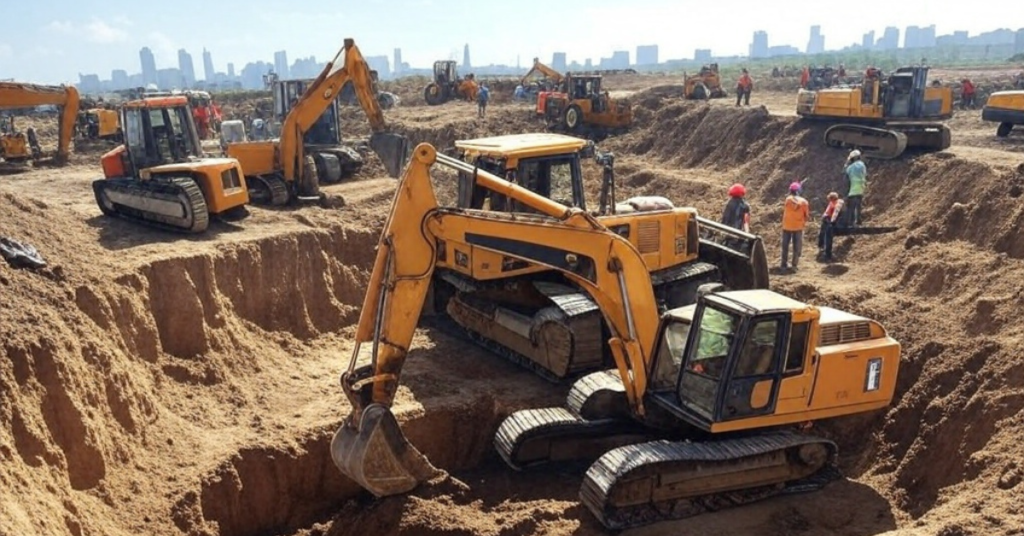
Table of Contents
When it comes to large-scale construction projects, commercial excavation contractors are an integral part of the process. From preparing sites for office buildings to excavating for infrastructure projects, their specialized skills, advanced equipment, and industry expertise ensure that projects run smoothly and meet demanding specifications. But what truly sets commercial excavation contractors apart from their residential counterparts or general contractors?
Here’s a closer look at the key distinctions and why hiring a commercial excavation specialist is crucial for your project.
The Scope of Commercial Excavation Services
Commercial excavation contractors handle a wide range of projects, including:
- Site Preparation: Clearing and leveling land for large-scale developments.
- Foundation Excavation: Preparing sites for high-rise buildings, warehouses, or shopping centers.
- Utility Installation: Digging trenches for water, sewer, electrical, and gas lines.
- Road and Infrastructure Work: Excavating for highways, bridges, and drainage systems.
- Mass Excavation: Removing significant amounts of earth for large projects like industrial parks or sports complexes.
What Sets Commercial Excavation Contractors Apart?
1. Specialized Equipment
Commercial excavation projects require heavy-duty machinery capable of handling significant loads and complex tasks. Contractors utilize:
- Bulldozers, excavators, and loaders for large-scale earthmoving.
- GPS-guided equipment for precise digging and grading.
- Rock breakers and trenchers for challenging terrain.
Their access to state-of-the-art tools ensures efficiency and accuracy, even on demanding sites.
2. Expertise in Large-Scale Projects
Unlike residential excavation, commercial projects often involve:
- Vast land areas.
- Complex site plans with multiple layers of excavation and grading.
- Coordinating with various teams, including engineers, architects, and utility companies.
Commercial excavation contractors have the experience to manage these complexities while adhering to tight schedules and budgets.
3. Regulatory Compliance
Commercial excavation involves strict regulations related to zoning, environmental protection, and worker safety. Contractors must:
- Secure permits for excavation and soil movement.
- Follow OSHA guidelines to ensure job site safety.
- Implement erosion control and sediment management measures.
Their knowledge of regulatory requirements helps avoid legal issues and ensures the project progresses without delays.
4. Handling Complex Site Challenges
Commercial projects often come with unique challenges, such as:
- Unstable Soil: Contractors stabilize the ground to support heavy structures.
- Underground Utilities: They carefully locate and work around existing utility lines.
- Rocky or Uneven Terrain: Specialized equipment and techniques are used to overcome these obstacles.
Their problem-solving skills and experience help address unforeseen issues efficiently.
5. Speed and Efficiency
Time is money in commercial construction, and delays can be costly. Commercial excavation contractors:
- Plan projects meticulously to optimize workflow.
- Use high-powered equipment to expedite earthmoving and grading.
- Coordinate with other trades to keep the project on schedule.
6. Capacity for Mass Excavation
For large-scale developments, such as shopping centers or industrial parks, commercial excavation contractors manage mass excavation efficiently. This involves removing millions of cubic yards of earth while maintaining precise elevations and ensuring proper drainage.
7. Advanced Technology
Commercial contractors often employ cutting-edge technology to enhance accuracy and efficiency, such as:
- GPS and Laser-Guided Systems: Ensure precise grading and excavation depths.
- 3D Modeling Software: Visualize and plan the site layout before breaking ground.
8. Erosion and Environmental Management
Commercial projects can significantly impact the environment. Contractors implement erosion control measures and comply with environmental guidelines to minimize their footprint, ensuring sustainable construction practices.
Why Hire a Commercial Excavation Contractor?
For business owners, developers, or project managers, hiring a commercial excavation contractor ensures:
- Seamless Coordination: Professionals work closely with other teams to keep the project on track.
- High-Quality Results: Their expertise guarantees a solid foundation for any structure.
- Cost-Effectiveness: Proper planning and efficient execution prevent costly mistakes and delays.
- Safety Assurance: Contractors prioritize worker and site safety, reducing risks.
Frequently Asked Questions: Commercial Excavation
Commercial excavation involves larger scale, more complex projects requiring specialized heavy equipment, coordination with multiple contractors, stricter regulatory compliance, and higher precision standards. Commercial sites often span acres versus residential lots, require mass excavation capabilities, involve complex utility coordination, and demand GPS-guided equipment for exact specifications. Commercial contractors also manage longer timelines and larger budgets.
Commercial excavation is essential for office buildings and high-rises, shopping centers and retail complexes, warehouses and distribution centers, industrial parks and manufacturing facilities, hospitals and medical centers, hotels and hospitality venues, parking structures, roadways and highways, municipal infrastructure, sports facilities, and mixed-use developments. Each requires specialized site preparation, foundation work, and utility installation.
Commercial excavation costs vary significantly based on project scope. Small commercial sites may range from $15,000-$50,000, medium projects from $50,000-$200,000, and large developments can exceed $500,000+. Factors affecting cost include site size, excavation depth and complexity, soil conditions, rock removal needs, utility relocation, environmental requirements, site accessibility, and timeline constraints. Professional contractors provide detailed estimates after thorough site assessment.
Timeline depends on project scale and complexity. Small commercial sites may take 1-2 weeks, medium projects typically require 3-6 weeks, and large developments can span 2-6 months or longer. Factors affecting duration include excavation volume, site conditions, weather, permit processing, utility coordination, and environmental compliance requirements. Commercial contractors develop detailed schedules coordinating with other trades to minimize delays.
Reputable commercial excavation contractors should hold valid state and local contractor licenses, OSHA safety certifications, environmental compliance certifications, equipment operator certifications, and bonding and liability insurance. They should also demonstrate experience with commercial-scale projects, knowledge of local building codes and regulations, and proven track record with similar developments. Request proof of certifications, insurance, and references before hiring.
Conclusion
Commercial excavation contractors are not just earthmovers—they’re skilled professionals who bring expertise, precision, and efficiency to large-scale construction projects. From navigating complex regulations to managing challenging site conditions, their capabilities set them apart and ensure that every job is completed to the highest standards.
When planning your next commercial project, partnering with an experienced excavation contractor will provide the solid foundation your build requires. With their specialized skills and commitment to excellence, they truly are the backbone of successful commercial construction.