- (281) 833-8130 Ext. 3
- info@wikotaexcavation.com
- 3044 Venergy Drive #3 Brookshire, TX 77423

Soil Excavation and Removal: Tips for Sustainable Practices in Houston
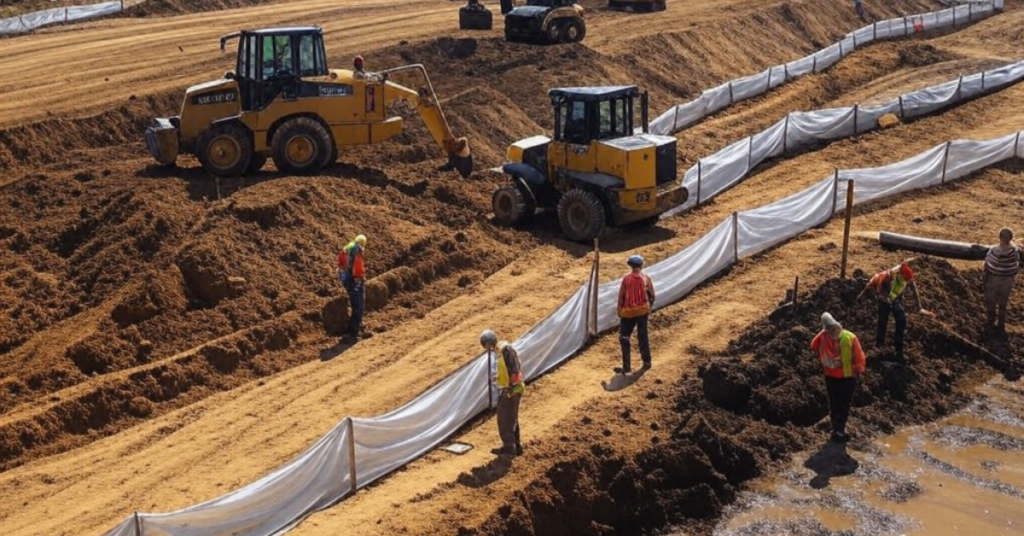
Table of Contents
Soil excavation and removal are vital for construction, landscaping, and infrastructure projects across Houston and beyond. While these processes prepare land for development, they can harm the environment if not managed responsibly. Sustainable soil excavation minimizes ecological disruption, promotes land health, and ensures projects stay efficient. At Wikota Excavation, we prioritize eco-friendly methods to deliver top-tier results for our clients in Harris County and surrounding areas.
Here’s a guide to sustainable soil excavation and removal practices that balance efficiency with environmental care—perfect for contractors and property owners in Houston and surrounding areas looking to make a positive impact.
Why Sustainable Soil Excavation Matters
Traditional excavation methods can lead to:
- Soil Erosion: Disturbed soil washes away, affecting local ecosystems.
- Habitat Loss: Removing topsoil disrupts wildlife habitats.
- Waste Buildup: Excess soil often ends up in landfills, adding to waste.
- Carbon Footprint: Heavy machinery emissions contribute to climate change.
By adopting sustainable removal techniques, we reduce these impacts while keeping projects cost-effective. Whether you’re in Atascocita or Webster, these practices protect our community’s environment.
Sustainable Tips for Soil Excavation and Removal
1. Plan with Precision
Proper planning is the backbone of sustainable soil excavation.
- Conduct a site survey to calculate exact soil removal needs.
- Identify onsite reuse options, like grading or landscaping, to cut waste.
- Avoid over-excavating to save time and resources in Houston projects.
2. Preserve Topsoil
Topsoil is nutrient-rich and essential for plant growth.
- Remove and store it separately for later use in landscaping or restoration.
- Cover it with tarps to prevent erosion or nutrient loss during storage.
3. Implement Erosion Control Measures
Excavation leaves soil exposed to wind and water erosion. Protect it with:
- Silt Fences: Trap sediment around dig sites.
- Mulching: Stabilize soil with organic cover.
- Vegetative Buffers: Keep existing plants intact to reduce runoff.
4. Reuse Excavated Soil
Instead of disposal, repurpose soil onsite or locally:
- Use it for grading, berms, or filling low spots on your Houston property.
- Partner with farms or landscapers in Harris, Montgomery, and Galveston Counties to donate clean soil.
5. Dispose of Soil Responsibly
For soil that can’t be reused:
- Test for contaminants, especially on former industrial sites in Houston.
- Send contaminated soil to designated treatment facilities.
- Work with soil recycling experts for sustainable removal.
6. Minimize Heavy Machinery Emissions
Machinery is key to excavation but adds to emissions. Cut your footprint by:
- Choosing energy-efficient or low-emission equipment.
- Scheduling use to avoid idle time.
- Exploring electric or hybrid options where available.
7. Restore the Site
Post-excavation, restore the land:
- Replant native vegetation to stabilize soil and boost biodiversity.
- Add compost to replenish nutrients.
- Monitor for erosion or degradation, addressing issues quickly.
8. Collaborate with Experts
Partner with pros like Wikota Excavation for tailored solutions. We:
- Guide soil reuse strategies.
- Recommend erosion control specific to Houston’s terrain.
- Ensure compliance with local environmental rules.
Benefits of Sustainable Practices
- Environmental Protection: Reduces erosion, pollution, and habitat loss in Harris County.
- Cost Savings: Reusing soil cuts material and transport costs.
- Compliance: Meets Houston’s environmental standards, avoiding fines.
- Reputation: Shows commitment to eco-friendly construction, earning trust.
Frequently Asked Questions
Clean excavated soil can be reused onsite for grading, landscaping, or filling low areas. Excess clean soil can be donated to local farms, landscapers, or community gardens in Harris, Montgomery, and Galveston Counties. Contaminated soil from industrial sites must be tested and disposed of at licensed treatment facilities. Professional contractors like Wikota Excavation can help develop soil management plans that maximize reuse and minimize disposal costs.
Houston's heavy rainfall and occasional hurricanes make erosion control critical. Effective measures include silt fences to trap sediment, vegetative buffers using native plants that tolerate wet conditions, mulching to stabilize exposed soil, temporary seeding for quick ground cover, and stormwater management systems. These techniques are especially important during hurricane season (June-November) and periods of intense rainfall. Professional contractors design erosion control plans specific to Houston's soil types and weather patterns.
Houston soil excavation must comply with city grading permits, stormwater management requirements under the Texas Pollutant Discharge Elimination System (TPDES), Harris County Flood Control District regulations, and Texas Commission on Environmental Quality (TCEQ) guidelines. Projects may require erosion and sediment control plans, soil testing for contamination on former industrial sites, and proper disposal documentation. Experienced contractors handle all permitting and ensure compliance with local, state, and federal environmental regulations.
Sustainable soil removal often costs less overall due to reduced disposal fees from soil reuse, lower transportation costs when soil stays onsite, avoidance of environmental fines, and prevention of costly erosion repairs. While initial planning may require more time, the long-term savings typically offset any upfront costs. Reusing even 50% of excavated soil can save thousands on disposal and material costs. Request a detailed estimate that accounts for both immediate and long-term expenses.
Yes, topsoil preservation is highly effective when done properly. Remove topsoil separately during excavation (typically 6-12 inches deep), stockpile it in designated areas away from heavy equipment, cover with tarps or erosion control blankets to prevent nutrient loss, keep it moist but not saturated, and limit storage time to prevent degradation. Preserved topsoil can be reused for final grading, landscaping, garden beds, or restoration areas. This practice saves money on purchasing topsoil and maintains the site's natural soil ecosystem.
Conclusion
Sustainable soil excavation doesn’t compromise project goals—it enhances them. By planning smart, reusing materials, and controlling erosion, you can minimize your ecological footprint in Houston while keeping costs down. At Wikota Excavation, we’re committed to sustainable practices that benefit our clients and the environment.
Serving Houston and the surrounding areas, as well as Montgomery and Galveston counties.