
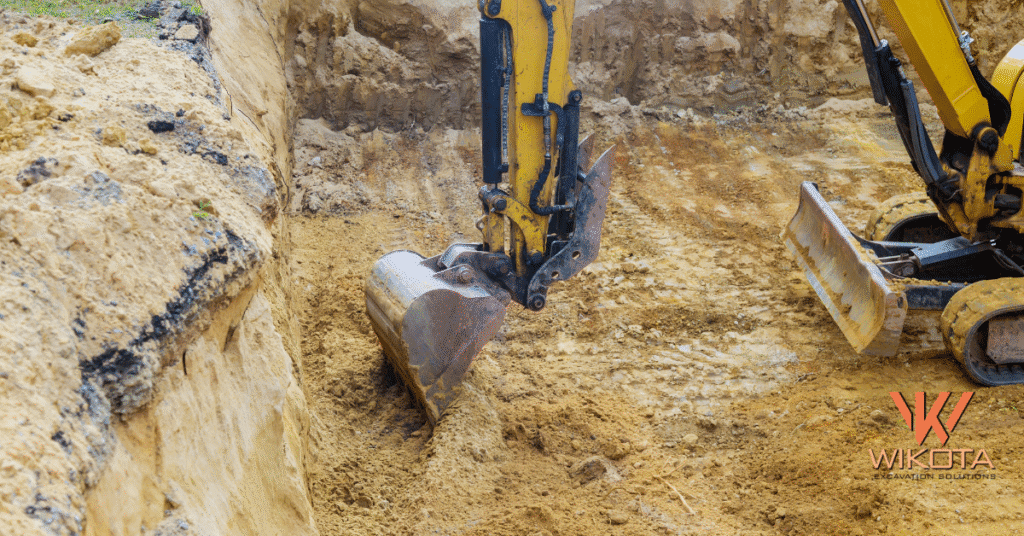
Site Preparation Contractors in Houston, TX: What They Do and Why It Matters for Your Build
Site preparation is the first phase of physical work on a construction project, and it is the phase that determines whether everything that follows — foundation, framing, utility installation, drainage — performs as designed or spends the life of the structure fighting the ground beneath it.
In the Greater Houston area, site preparation is more consequential than in most markets. The region’s expansive clay soils, significant annual rainfall, and documented flood risk across Harris, Fort Bend, Waller, and Montgomery Counties mean that a site that has not been properly cleared, graded, and drained is not just inconvenient to build on — it’s a source of long-term structural and drainage problems that are expensive to correct after construction is complete.
This guide explains what professional site preparation contractors actually do in the Houston market, why each phase of the process matters, how local conditions affect the work, and what to look for when selecting a site prep contractor for your project.
What Does a Site Preparation Contractor Do?
Site preparation encompasses every ground-level task required to transform unimproved or partially improved land into a surface that is stable, correctly graded, and ready for the next phase of construction. The specific scope varies by project, but most site prep engagements in the Houston area involve some combination of the following:
Land Clearing and Grubbing
Clearing removes surface vegetation, brush, and debris from the project footprint. Grubbing goes further — it removes stumps, root systems, and organic material to a specified depth below grade. In the Houston metro, where new residential developments regularly occupy previously wooded lots in western Harris, Fort Bend, and Montgomery Counties, grubbing is a critical precursor to grading. Organic material left in place beneath fill compresses over time, creating differential settlement that shows up as foundation cracking and drainage distortion years after construction is complete.
Rough Grading
Rough grading shapes the general terrain of the site — establishing the approximate elevations, drainage flow directions, and cut-and-fill balance that the civil grading plan specifies. This phase moves the majority of the earthwork volume and sets the stage for finish grading. In Houston, rough grading also establishes whether the building pad will be elevated above surrounding grades to meet flood risk or minimum finished floor elevation requirements — a design consideration that affects drainage for the entire lot and the adjacent properties.
Unsuitable Material and Muck Removal
Houston’s clay soils contain organic-rich layers near the surface in many areas, and low-lying lots frequently have saturated, unstable soil zones — referred to locally as ‘muck’ — that cannot support structural loads or achieve required compaction densities. A site prep contractor identifies and removes this material before placing any fill, replacing it with engineered fill that can be compacted to specification. Skipping this step is a primary cause of foundation problems on Houston new construction — the settlement shows up later, but the cause traces back to inadequate subgrade preparation.
Topsoil Management
Stripped topsoil from clearing and grading operations is typically stockpiled separately for reuse in final landscaping grades after construction is complete. Proper topsoil management reduces the amount of import material required at project closeout and preserves the organic layer that supports vegetation on the finished site.
Drainage System Installation
Surface drainage infrastructure — swales, culverts, retention areas, and pipe systems — is often installed during the site prep phase before structures are built and access becomes constrained. In the Houston market, where even modest rainfall events can create standing water on flat or improperly graded sites, drainage system design and installation is a technical requirement rather than an optional enhancement. French drains, area drains, and roadside ditches all need to be placed and graded during site prep if they are part of the civil plan.
Finish Grading
Finish grading establishes the final ground elevations across the site — the grades that will drain water away from structures, support pavement and hardscape, and meet the tolerances required for the next trade to begin. Finish grading typically happens after foundation work and is the last ground-disturbance scope before construction moves vertical. In Houston, the finish grade around a structure needs to maintain a minimum slope away from the foundation to prevent water infiltration — a standard that sounds simple but requires precision on flat lots where there is limited elevation change to work with.
Why Site Preparation Is Especially Critical in the Greater Houston Area
Clay Soil Behavior Across Seasons
Houston’s expansive clay soils shrink during dry summers and swell significantly during wet periods. A site that is graded and compacted correctly during a dry season can experience subgrade movement as seasonal moisture returns — which is why the compaction specifications used on Houston projects, and the verification testing required to confirm those specifications were met, are more stringent than in regions with more stable soils. The subgrade your contractor leaves behind is the subgrade your foundation sits on for the life of the structure.
Drainage as a Non-Negotiable
Harris County averages more than 50 inches of annual rainfall. Fort Bend, Waller, and Montgomery Counties see similar totals, with significant rainfall events distributed throughout the year rather than concentrated in a single wet season. On a properly prepared Houston site, water that hits the ground moves away from structures in a predictable path toward an engineered outlet. On an improperly prepared site, it accumulates against foundations, infiltrates below slabs, and creates the conditions for the structural and moisture problems that generate the most expensive repair calls in the residential construction industry.
Sequencing and Coordination Dependencies
Site preparation is not just the first phase of construction — it is the phase that every subsequent phase depends on. Foundation contractors cannot begin until the pad is at the right elevation and compaction. Utility contractors cannot pull trenches until clearing and rough grading establish access. The framing schedule starts counting from when the foundation is poured, which starts counting from when site prep is complete. A site prep contractor who falls behind, delivers incorrect grades, or fails compaction testing does not just affect their own schedule — they push every trade behind them.
What to Look for in a Site Preparation Contractor in Houston
The following qualifications are the ones that distinguish experienced Houston site prep contractors from those who bring general earthmoving skills but limited local knowledge:
- Demonstrated experience in Houston’s clay soil conditions — ask specifically how the contractor handles muck removal, subgrade moisture management, and compaction testing in wet conditions.
- Familiarity with local drainage requirements — an experienced contractor should be able to discuss minimum finish grade slopes, county drainage district requirements, and how they coordinate drainage design with civil engineering plans.
- Equipment appropriate to the scope — clearing and grubbing require different equipment than finish grading. Confirm the contractor owns or has reliable access to the right machines for each phase, not just the primary excavation equipment.
- Compaction testing process — ask whether the contractor coordinates soils testing through a third-party geotechnical lab and how compaction documentation is handled. On projects where foundation engineering specifies compaction requirements, documentation matters.
- Clear written scope — site prep scopes are where the most frequent “I thought that was included” disputes originate. A written scope that specifies clearing limits, grade tolerances, who is responsible for spoil disposal, and how unsuitable material removal is handled protects both parties.
- Coordination capability — a site prep contractor who cannot communicate clearly with your civil engineer, foundation contractor, and general contractor is a schedule risk regardless of how well they operate equipment.
Frequently Asked Questions: Site Preparation Contractors in Houston, TX
For a standard single-family residential lot in the Houston metro, clearing, grubbing, rough grading, and initial drainage work typically take two to five days under dry conditions. Finish grading, which usually happens after foundation work, takes an additional one to two days. Larger lots, heavily wooded sites, or properties requiring significant fill import or muck removal add time. Wet weather is the most common cause of schedule extension — Houston's clay soils need adequate dry time between rain events for compaction work to be performed reliably, and a contractor who rushes this step to meet a calendar date creates subgrade quality problems that show up later.
Rough grading establishes the general shape and elevation of the site — it moves the bulk of the earthwork volume and gets the terrain to within a few inches of the design grades. Finish grading refines that work to the precise tolerances required by the civil grading plan and the trades that follow — typically within a tenth of a foot or less. Rough grading happens early in the project, often before any structures are built. Finish grading happens near the end of site work, after foundations are placed and before paving, landscaping, or final drainage infrastructure is installed. Both phases require different equipment and different levels of grade control precision.
For most residential new construction in unincorporated Harris County and the surrounding counties, the builder's foundation plan and general drainage requirements provide enough information for site prep work to begin. For commercial development, most jurisdictions require an approved civil grading and drainage plan before a grading permit is issued. In regulated floodplains or MUD service areas with specific grading requirements, civil plan approval may be required regardless of project type. An experienced local contractor can advise on what documentation your specific jurisdiction requires — confirm this before mobilizing to avoid a stop-work situation.
'Muck' refers to saturated, organically rich, or otherwise unstable soil that cannot support structural loads or be compacted to required densities. It is common in low-lying areas of the Houston metro — particularly in areas that have historically ponded water or been covered with dense vegetation. Site prep contractors handle muck by excavating the unsuitable material to a depth below where it affects structural loading, disposing of it off site, and replacing it with engineered fill — typically clean sand, gravel, or select fill — that can be compacted to specification. The depth of muck removal is typically confirmed by the project's geotechnical engineer or by field observation during excavation.
It depends on the soil type and the fill application. Houston's native clay soils can be reused as non-structural fill in landscape areas, berms, or areas where compaction to structural densities is not required. Clay is generally not suitable for use as structural fill beneath foundations or pavement without soil amendment, because its shrink-swell behavior under moisture changes makes it difficult to maintain stable compaction. Clean sand and select fill imported from off site are the standard structural fill materials on Houston projects where native clay is not suitable. Whether your excavated soil can be stockpiled and reused or needs to be hauled off site is a question that should be addressed in the project scope before excavation begins.
Yes. Wikota provides full site work services — clearing, grubbing, rough and finish grading, foundation excavation, utility trenching, pad construction, and drainage system installation — as a single-contractor scope across Harris, Fort Bend, Waller, and Montgomery Counties. Using one contractor for the complete site work scope eliminates coordination gaps between subcontractors, reduces the risk of grade or drainage disputes between phases, and gives the project owner a single point of accountability from initial site clearing through final grade. Contact us to discuss which phases of your project we can support.