- (281) 833-8130 Ext. 3
- info@wikotaexcavation.com
- 3044 Venergy Drive #3 Brookshire, TX 77423

Why Construction Site Excavation Requires Expert Handling
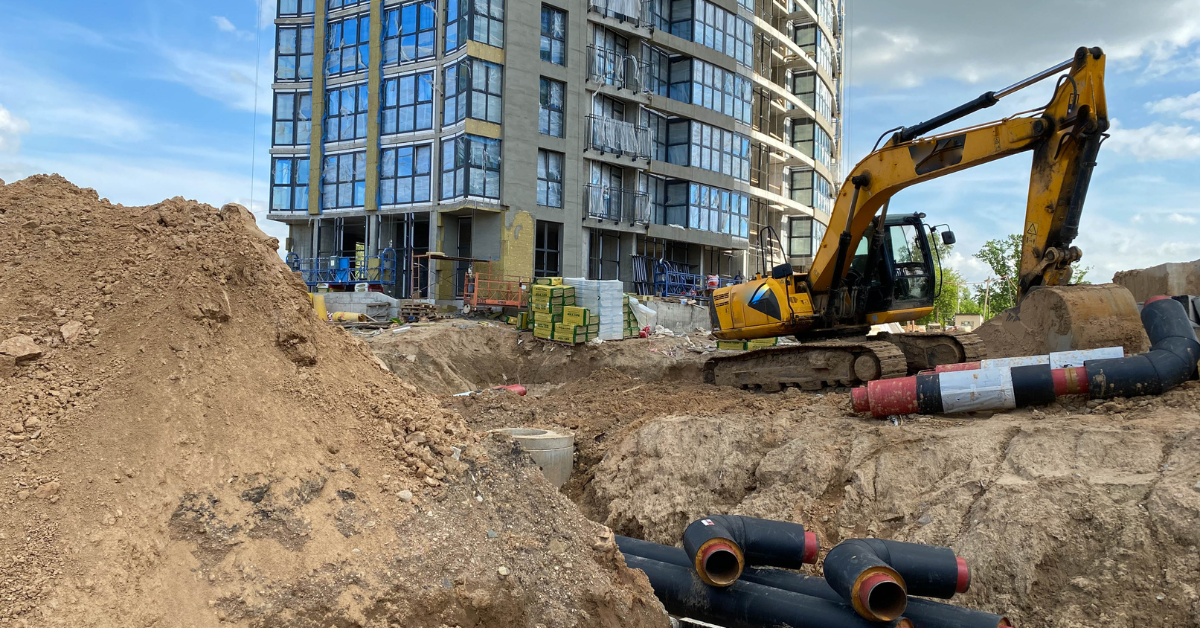
Table of Contents
Construction projects begin long before the first brick is laid or the first beam is raised. One of the most crucial steps in the process is construction site excavation—the foundation upon which the entire project depends. While it might seem straightforward, excavation is a highly complex task that demands expert handling to ensure safety, efficiency, and success.
Here’s why construction site excavation is not a DIY job and why professional expertise is essential.
What Is Construction Site Excavation?
Construction site excavation involves removing soil, rock, and other materials to create a stable base for foundations, utilities, roadways, and more. It typically includes:
- Site preparation: Clearing debris, vegetation, and obstacles.
- Digging and trenching: Creating spaces for foundations, pipelines, and other infrastructure.
- Soil grading: Leveling the land to ensure proper drainage and stability.
- Erosion control: Preventing soil displacement during and after excavation.
Why Expert Handling Is Crucial
1. Ensuring Safety
Excavation can pose significant hazards, including:
- Cave-ins: Unstable soil can collapse unexpectedly, endangering workers and equipment.
- Utility Damage: Hitting underground gas, water, or electrical lines can lead to accidents, delays, or fines.
- Machinery Accidents: Improper equipment use can cause injuries and property damage.
Professionals follow strict safety protocols, use advanced equipment, and conduct thorough site inspections to mitigate these risks.
2. Complying with Regulations
Construction site excavation is governed by strict regulations at local, state, and federal levels. Compliance ensures:
- Environmental protection and erosion control.
- Adherence to zoning laws and construction codes.
- Proper handling of hazardous materials, if present.
Expert excavation contractors are familiar with these requirements and handle permitting and inspections to avoid costly legal issues.
3. Precision and Accuracy
Excavation requires more than just moving dirt—it involves creating precise dimensions for foundations, trenches, and slopes. A minor error in depth or alignment can lead to structural instability, drainage problems, or expensive rework.
Professionals use advanced tools like laser levels, GPS-guided equipment, and detailed site plans to achieve precise results.
4. Handling Complex Site Conditions
Every site presents unique challenges, such as:
- Unstable or Contaminated Soil: Professionals test and stabilize soil to ensure it can support the structure.
- Rocky Terrain: Specialized equipment is used to break through and remove rocks efficiently.
- Water Table Issues: Experts address high water tables with dewatering techniques to prevent flooding during excavation.
5. Time and Cost Efficiency
Hiring professionals for construction site excavation saves time and money in several ways:
- Efficient Planning: Experienced contractors anticipate challenges and plan accordingly.
- Proper Equipment: Access to high-performance machinery speeds up the process.
- Avoiding Mistakes: Professional handling minimizes the risk of costly errors or rework.
6. Sustainability and Environmental Considerations
Excavation can significantly impact the surrounding environment. Experts implement measures to:
- Prevent soil erosion and sediment runoff.
- Protect nearby ecosystems and waterways.
- Manage and dispose of excavated materials responsibly.
How to Choose the Right Excavation Contractor
To ensure your construction project starts on the right foot, select an excavation contractor with:
- Experience: A proven track record of handling projects similar to yours.
- Certifications and Licensing: Ensure they meet industry standards and local regulations.
- Modern Equipment: Access to advanced machinery for efficient and precise excavation.
- Strong Reputation: Look for positive reviews and testimonials from past clients.
Frequently Asked Questions
Professional contractors follow OSHA regulations including proper trench shoring and sloping, utility locating services (calling 811), daily site inspections, protective systems for trenches over 5 feet deep, soil stability testing, worker safety training, and emergency response protocols. They use protective equipment and maintain clear communication to prevent cave-ins, utility strikes, and machinery accidents.
Excavation in wet conditions is possible but challenging. Heavy rain can destabilize trenches, create unsafe working conditions, and delay compaction work. Professional contractors use dewatering pumps, implement erosion control measures, schedule work during dry periods when possible, and may install temporary drainage systems. In Houston's climate, experienced contractors plan for weather variability and adjust schedules to ensure safety and quality.
Excavation depth varies by project requirements. Typical residential foundations are 4-8 feet deep, commercial basements may reach 10-20 feet, and specialized projects like underground parking can exceed 30 feet. Deeper excavations require additional engineering, shoring systems, dewatering equipment, and stricter safety protocols. Professional contractors assess soil conditions and design appropriate support systems for any depth.
Excavated materials are managed based on quality and project needs. Clean soil may be stockpiled on-site for backfilling or grading, reused for landscaping, or sold to other projects. Contaminated soil requires special handling and disposal at approved facilities. Rock and debris are typically hauled to designated disposal sites. Professional contractors develop material management plans that minimize waste and comply with environmental regulations.
Excavation costs depend on project scope, depth, soil conditions, site accessibility, and location. Basic excavation averages $50-$200 per cubic yard. Residential foundation excavation typically costs $1,500-$5,000, while larger commercial projects can range from $10,000 to $50,000+. Rocky terrain, high water tables, contaminated soil, or difficult access increase costs. Professional contractors provide detailed estimates after site assessment.
Conclusion
Construction site excavation is far more than just digging—it’s a critical process that requires skill, precision, and an understanding of engineering and environmental factors. Entrusting this task to experts ensures a safer worksite, compliance with regulations, and a strong foundation for your project.
By hiring professionals for excavation, you’re not only investing in the success of your construction but also safeguarding against risks and ensuring long-term stability. When it comes to site preparation, leave it to the experts to get the job done right.